 Fashion Jewellery Design
How to Start a Fashion Jewellery Brand in Singapore (2026 Playbook)
A studio flat-lay of strung work, colour boards and finished pieces — the raw materials of a brand.
Singapore's fashion jewellery scene rewards one thing: a point of view, finished well. The market stalls are full of competent strung pieces; the labels that last are the ones whose work you can recognise from across a room. This playbook is the honest version of the road — no get-rich-quick framing, because there isn't one.
1. Position before you produce
Answer, on one page: who is this for, what do they wear it with, and what will they stop wearing when they buy yours? "Affordable pretty jewellery" is not a position — it is every stall at every market. A position is jewellery for office-to-dinner in Southeast Asian heat or heirloom-scale beadwork, rebuilt in modern colours. Write yours before buying a single finding.
2. Learn the craft to a sellable standard
You cannot quality-control what you cannot make. The skills that separate a label from a hobby:
- Design discipline — colour boards, proportion, wearability, and a collection (not twenty unrelated pieces)
- Technical finishing — crimps, knots, wire wraps and clasps that survive a season of daily wear
- Materials literacy — plating vs filling vs solid; what tarnishes in Singapore's humidity and what doesn't; honest labelling of what a piece is made of
- Repair thinking — designing pieces you (or the customer) can fix
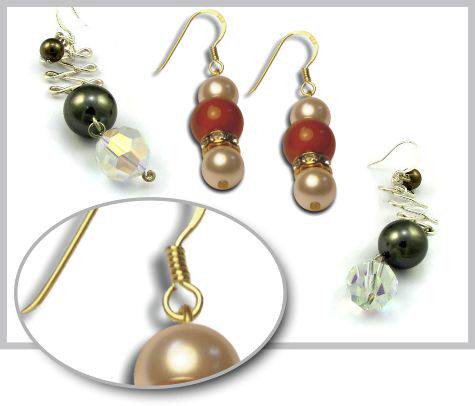
Structured training compresses years of trial-and-error. JDMIS — the school behind this site — teaches fashion jewellery design as a certificate path, from creative and essential fashion jewellery knowledge through to master techniques.
3. The first collection
Eight to twelve pieces, one family, three price steps (entry gift, core seller, statement). Every piece must answer the position from step 1. Photograph it as a look — one model, one light setup, one background — before you photograph it as product.
4. Price like a business
Materials + your hours at a real wage + breakage + stall fees + photography + a margin for growth. If that number shocks you, the answer is better design (fewer, higher-value pieces) — not hidden costs. Our pricing guide for handmade fashion jewellery goes deeper.
5. Channels, in the order that works
- Markets — fastest feedback loop on real buyers (see the market selling guide)
- Instagram/TikTok shop — where fashion jewellery discovery actually happens; shoot video of pieces being worn, not just laid flat
- Consignment in boutiques — margins hurt, but you learn what sells off your own table
- Your own site — once repeat customers ask for it
6. The Singapore specifics
Humidity kills cheap plating — say so honestly on your labels and care cards, and spec accordingly. Bridal and gift seasons move the local calendar. And the community is small: your reputation at one market precedes you at the next.
What to do this month
- Write your one-page position
- Book a one-day fashion jewellery workshop and make your first three pieces properly
- Sketch the 8-piece first collection
- Read our design process guide and trend forecasting basics
A brand is a body of work. Start the body.
Questions people actually ask
How much does it cost to start a fashion jewellery brand in Singapore?
A lean start — your own hands, a materials kit, market stalls and an Instagram shop — can begin in the low hundreds of dollars. A serious label with proper stock, product photography, packaging and a branded storefront runs into the thousands. The biggest cost most beginners underestimate is not materials but time: each hand-made piece carries hours you must price in honestly.
Do I need a licence to sell handmade jewellery in Singapore?
Selling at markets and online as a sole proprietor means registering your business (ACRA) and keeping to consumer-protection and PDPA rules once you collect customer data. This article is general information, not legal or tax advice — check current requirements with ACRA and, as you grow, a qualified adviser.
Should I make the pieces myself or outsource production?
Make the first collections yourself, whatever your scale plans — the making knowledge is what lets you judge quality, cost and lead times when you eventually outsource. Most lasting labels grow from a maker core into a mix: signature pieces made in-house, production lines outsourced to trusted workshops.
What is the fastest skill that pays off?
Design-to-finish consistency: pieces that look like one family, finished to a professional standard. That is a learned skill — it is exactly what structured training (like the certificate courses linked below) drills.
What students say
“There is a very wide range of jewellery design programmes. Tanja's an expert and she encourages the class and is also open for catch-ups later.”
— Cecilia O. (Singapore) · published student feedback
“I will use the skills acquired to make pieces for family, friends and of course, myself! If I could get to a point of eventually selling pieces, even better!”
— Elena A. (Australia) · published student feedback
Free ways to explore
No sign-up, no payment — start with any of these.
Every course, family and diploma in one PDF.Play Name That GemFREE
The school's free gem-identification game — train your eye.Free gem webinar replaysFREE
Full recorded sessions on gems and the jewellery trade.Take the 2-minute course finderFREE
Answer a few questions, get personal course recommendations.
Explore the Fashion Jewellery Arts diploma
A structured path from first sketch to professional finishing — taught hands-on in Singapore by JDMIS.
Visit jdmis.edu.sg